
Medical Device Commercialization Across Continents: Lessons from Industry Leaders


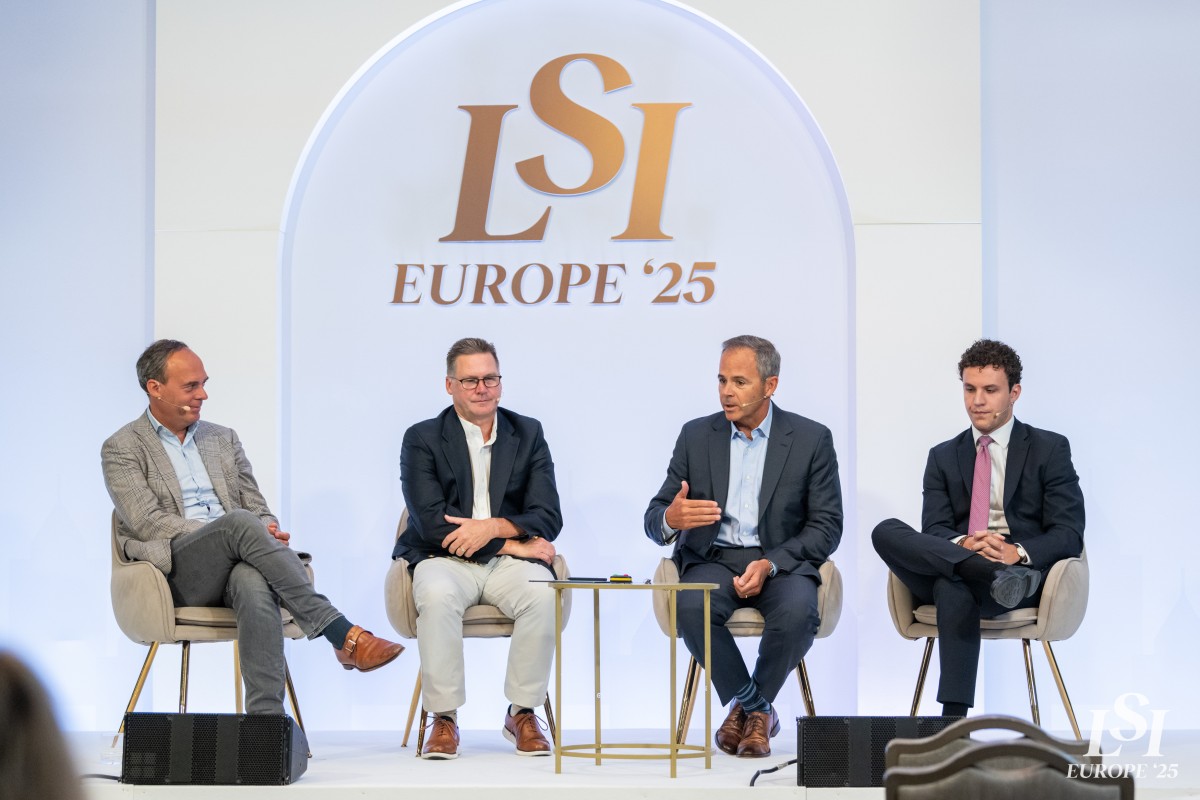
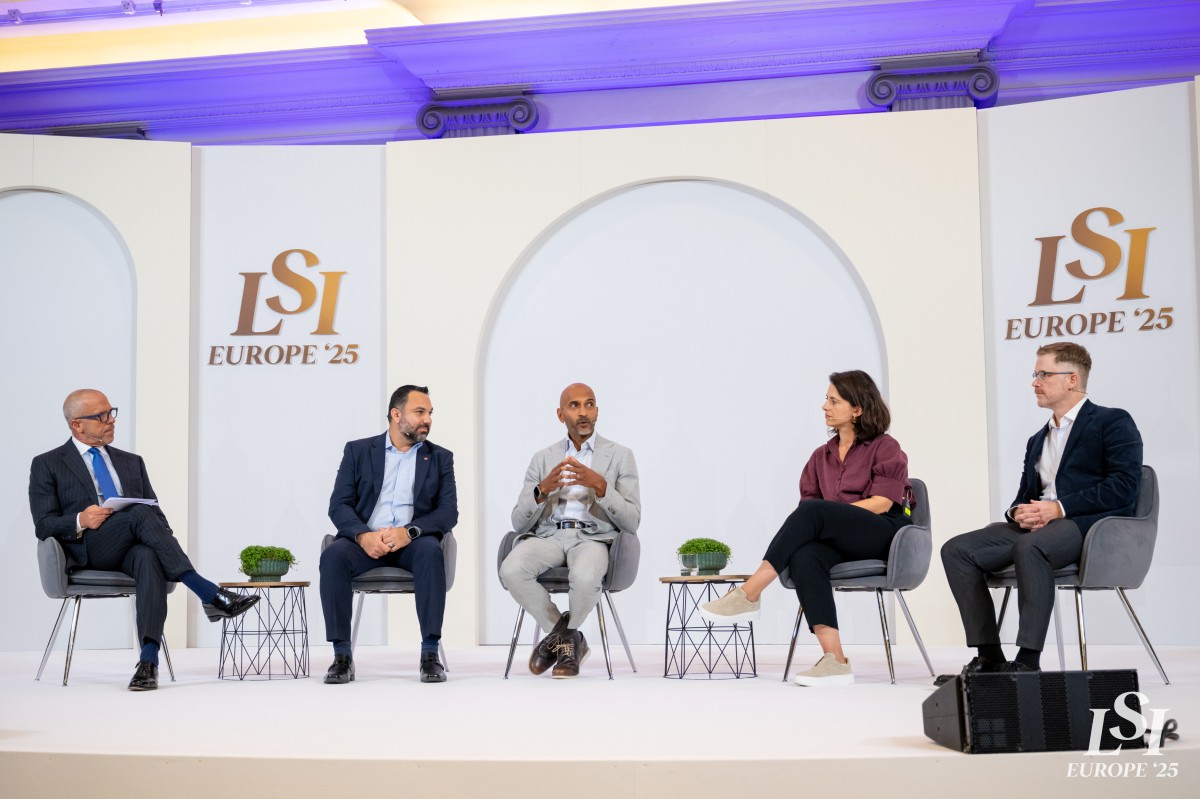
Bringing a medical technology to market is challenging enough within a single healthcare system. Expanding internationally introduces another layer of complexity, from reimbursement pathways and regulatory requirements to manufacturing, commercialization strategy, and local market dynamics. During a panel at LSI Europe ’25, leaders from medtech venture capital, commercialization, and operating roles shared practical insights into what separates successful global expansion from costly missteps. Their discussion made one point especially clear: successful medical device commercialization is rarely about moving into as many countries as possible. Instead, it begins with disciplined planning, local expertise, and a realistic understanding of how each market functions.
Moderated by Pieter Wijffels, Partner at NLC Health Ventures, the panel featured Jeffrey Sirek, CEO and Board Member of PRIA Healthcare, Timothy I. Still, Founder and Managing Director of TSTILL Enterprises, and Diego Serrano Cabrera, Investor at Sofina.
Start with Market Access, Not Market Size
For many early-stage companies, international expansion begins with an ambitious vision of serving global markets. The panelists cautioned that founders often focus too heavily on the size of the opportunity while overlooking the practical barriers to entering those markets.
Still explained that many founders underestimate the complexity of commercialization across borders.
“More often than not, founders and companies need to start with market access. And I think that’s one of the big things that they miss.”
He noted that companies frequently pitch plans to launch internationally without fully understanding whether reimbursement exists, what regulatory evidence is required, or how long commercialization will actually take.
Sirek reinforced that no two markets operate the same way.
“Every country is different. Every technology matches a different country. You can’t just have one product that’s good in Japan, good in Europe, good in the United States.”
While regulatory approval is an important milestone in the United States, Sirek noted that securing reimbursement, building evidence, and gaining society support can take considerably longer and ultimately determine whether a product can be sold successfully.
Medical Device Commercialization Starts with Focus
Throughout the discussion, one message surfaced repeatedly: founders should resist trying to commercialize everywhere at once.
Still encouraged companies to establish success in one market before expanding into additional geographies.
“You don’t have to go everywhere at once. You don’t have to go global at the start. It’s better to be successful and maybe penetrate in one particular market, do well, and get some clinical data that you can use to then pursue different markets.”
Building on that point, he encouraged founders to recognize where outside expertise is needed.
“Don’t be ashamed to get the expertise at the company that you don’t have.”
The discussion repeatedly returned to the importance of relevant expertise, whether navigating reimbursement, regulatory requirements, pricing, manufacturing, or commercial execution. Companies need people who understand the realities of each target market rather than assuming that experience in one geography will translate directly to another.
Investors Want a Commercial Plan They Can Believe In
From an investor’s perspective, Serrano Cabrera argued that a disciplined commercialization strategy matters far more than simply presenting a massive market opportunity.
Using OrganOx as an example, he explained that a focused market can still present a compelling investment opportunity when management demonstrates a clear understanding of customer needs, competitive positioning, and how the company will grow.
“The ability that they had to convey what their patients wanted, what their patients were getting from the product, and how well they were able to put together the plan and how they were going to grow and compete against the other main competitor in the market, it gave us the confidence to really bet on them.”
Serrano Cabrera also encouraged founders to demonstrate that their commercial strategy can scale efficiently.
“Show me how you plan to do these sales motions efficiently.”
Rather than spreading commercial resources across dozens of regions, he suggested concentrating on a small number of centers, developing an efficient sales motion, and demonstrating that the approach can be replicated with additional investment.
Scaling a Company Requires Different Leadership Than Starting One
As companies mature, commercialization often requires new expertise beyond what was needed during the earliest stages.
Still noted that boards and investors may bring in commercially experienced leaders to help raise capital, build the market-entry plan, and guide the company through its next stage of growth.
“If founders can just open up their eyes and their ability to take in some expertise that they don’t have, brilliant in all the ways they are, that would really benefit them.”
Serrano Cabrera agreed that investors are not necessarily looking for founders who already possess every skill required for the next stage of growth. Instead, they look for leaders who understand the challenges ahead and proactively build experienced teams around them.
“If someone tells me, ‘No, no, there’s no challenges ahead,’ that is a red flag.”
Transparency, self-awareness, and a willingness to surround the company with experienced operators often inspire greater investor confidence than attempting to project certainty.
Building an Independent Company First
Toward the end of the discussion, the conversation shifted to acquisitions, a goal many founders naturally have in mind.
The panelists cautioned against building a company solely around the expectation of being acquired.
Serrano Cabrera explained that Sofina evaluates companies based on whether they have the potential to become successful independent businesses.
“We really, really need to believe in the Plan A.”
Still shared a similar perspective from his own experience leading companies through successful exits.
“We wanted to run the company in the best way possible, and then if you’re doing a good job at that, opportunities present themselves along the way.”
Wijffels added that, in most areas of medtech, strategic acquirers now expect meaningful commercial traction. Companies may need to demonstrate that reimbursement works, physicians adopt the technology in daily practice, customers return, and the product is gaining traction across more than one market before strategics begin to take notice.
The Bottom Line
Commercial success across continents is not determined by how quickly a company expands internationally, but by how thoughtfully it prepares for each new market. Throughout the discussion, the panelists consistently returned to the same themes: start with market access, understand reimbursement early, seek experienced local partners, build a repeatable commercial strategy, and remain transparent with investors.
For companies pursuing medical device commercialization, those fundamentals provide a far stronger foundation for sustainable global growth than simply chasing the largest markets first.






Dates and location for LSI Europe ‘27 haven’t been announced yet. Fill out the form below and we’ll reach out as soon as they are, so you can reserve your room at our best rates.