
Lessons for Medtech Startups: A New Era in Medtech


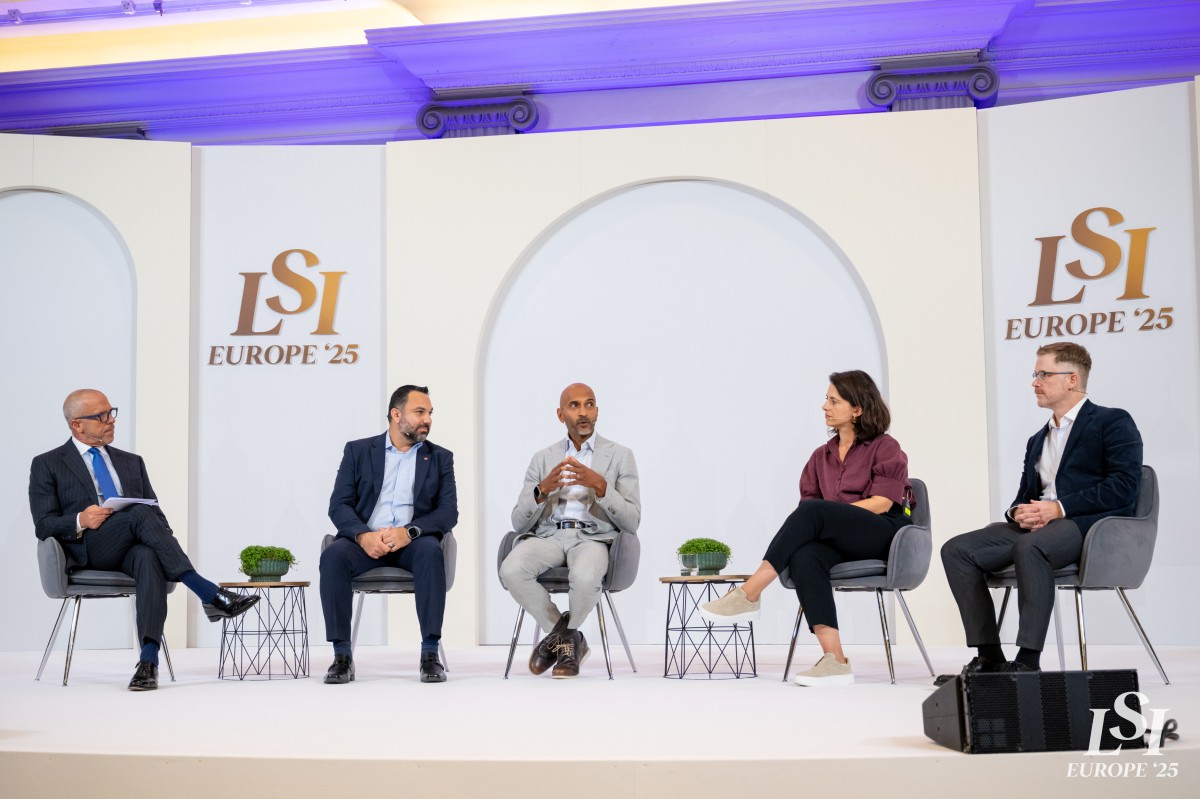
When LSI Europe ’25 convened its Signature Series panel, “New Era in Medtech,” the discussion centered on a question that has only become more relevant in the months since: how should medtech startups build, fund, and scale in a market where timelines are longer, capital is more selective, and commercialization strategies are increasingly complex?
That context matters. At the time, CathWorks was already in a publicly disclosed strategic partnership with Medtronic. In April 2026, Medtronic completed its acquisition of CathWorks.
For Ramin Mousavi, President & CEO of CathWorks, the panel was also personal. “CathWorks is the very first company that ever signed up for LSI,” Mousavi said. “We were the very first company of the very first meeting, and it has had a huge impact on the journey of the company.”
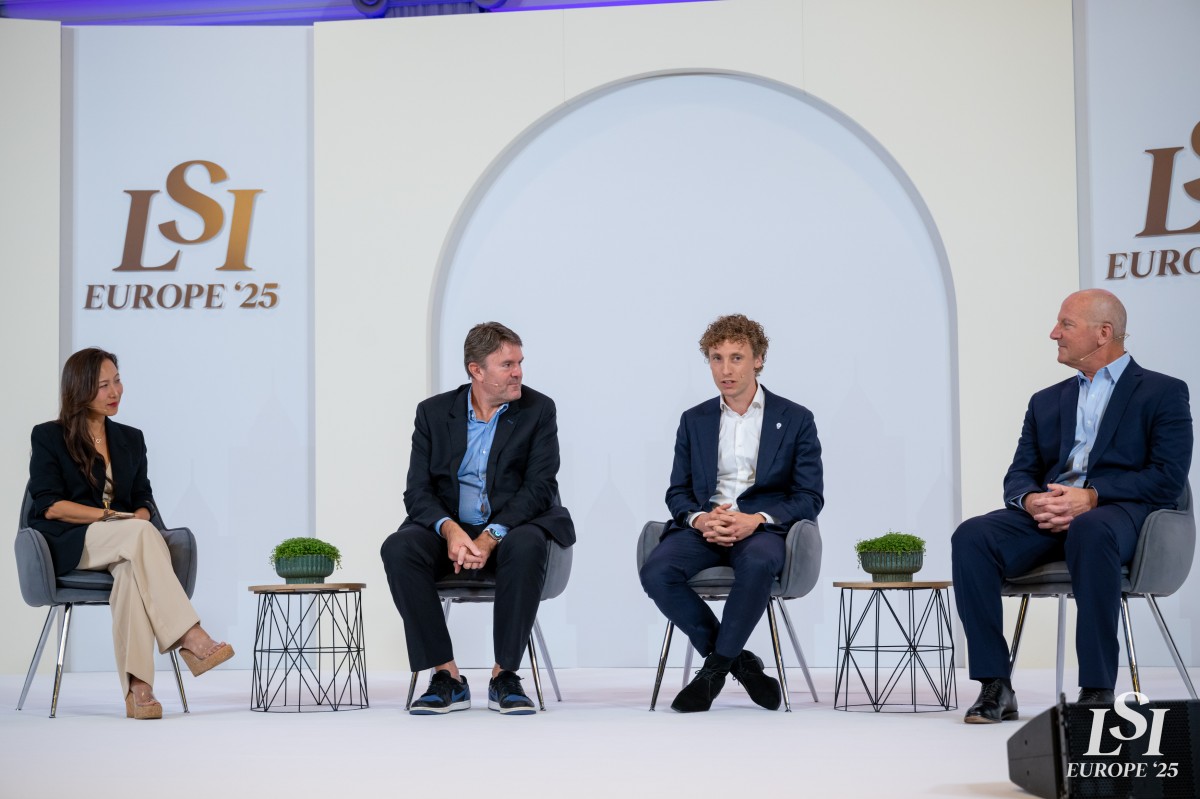
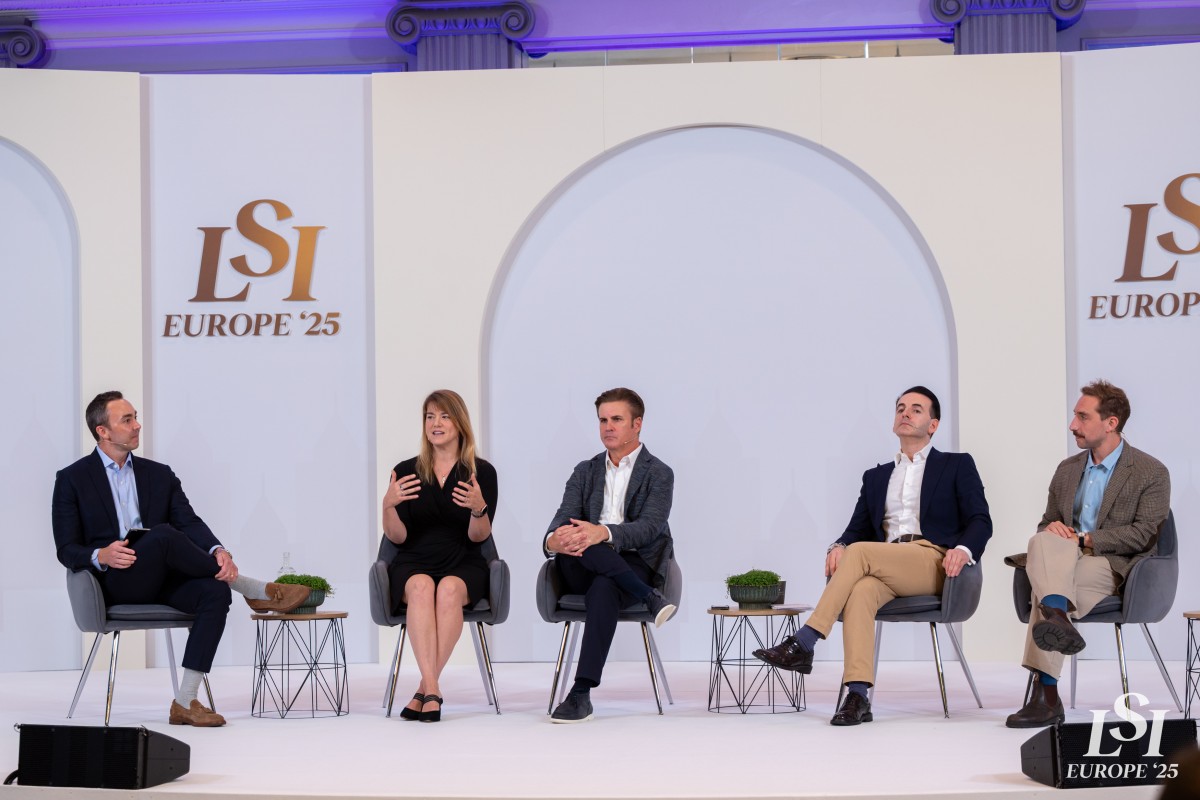
Moderated by Joe Mullings of The Mullings Group, the conversation brought together Mousavi, Mano Iyer of Sofinnova Partners, Liliane Chamas of Oxford Science Enterprises (OSE), and Matt McGrath of Faction Imaging to explore where ideas come from, how investors evaluate opportunity, and what it takes to build companies for the next era of medtech.
Starting with the Problem, Not the Technology
One of the clearest themes from the panel was the importance of starting with a real need, not a clever technology in search of one.
McGrath, who is building Faction Imaging after a prior company exit to Medtronic, described a deliberately patient approach to company formation. “Without a diagnosis, there’s no treatment,” McGrath said. “So we looked at venipuncture, cannulations, and general imaging, and spent four years studying that around the world. Then distilled it down.”
That process began with scale. McGrath said the team started by looking at “numbers of procedures,” with “1 billion per year” as the minimum threshold of interest. From there, the team evaluated workflow, cost, time, and clinical demand.
Chamas described a similar discipline from the investor side. OSE has access to a deep ecosystem of academic and clinical ideas, but she cautioned that promising technology is not the same as innovation.
“We find ourselves always trapped in the interesting question of this is a really exciting technology, but is it addressing an actual need?” Chamas said. “That’s the spark of innovation that we want to support.”
Why Medtech Startups Need Market Access Clarity Earlier
For investors, the bar has shifted. Clinical need still matters, but reimbursement, workflow fit, and market access now have to be addressed much earlier.
“The biggest thing that’s changed in early-stage investing over the past decade is the need for much greater clarity of market access and reimbursement information earlier on,” Iyer said. “Even at the seed stage, we’re getting asked that question.”
That is especially true for European companies preparing for the U.S. market. Chamas noted that some portfolio companies initially pursued Europe first, only to find that meaningful traction was harder than expected. The result is a shift in strategy.
“We’re preparing companies for the U.S. from the outset,” Chamas said. “It’s unfortunate because we’re not necessarily doing as much as we want in our local markets, and we still try to, but there’s the issue of focus, resources, and we are, at the end of the day, looking for returns as investors.”
Iyer added that cardiovascular implants may still have faster early pathways in Europe, but commercialization remains country-by-country. “If you’re not going to tackle the reimbursement side, why tackle the MDR side?” Iyer said. “And so then all capital gets focused on building a business in the U.S.”
Mousavi brought that point back to CathWorks’ own journey. The company pursued a U.S.-centric model, later validating the opportunity globally through Japan. But as the company scaled toward a strategic franchise, Europe became unavoidable.
“Europe continues to be the second largest region,” Mousavi said. “As you’re trying to turn this into a franchise, you can’t do it without having Europe.”
Capital Structures Are Being Tested
The panel also explored whether traditional venture models are durable enough for medtech’s long development timelines.
Iyer acknowledged the challenge, but argued that the underlying need remains. “The illness isn’t going away, the disease state isn’t going away, patients still need a solution to this problem,” he said. “That is the fundamental bottom line that we’re all trying to solve.”
Chamas offered a different perspective from OSE’s long-term capital structure. Rather than retire risk strictly in sequence, she described a model that can move opportunistically when a strategic risk needs to be addressed earlier.
“We can deploy capital and are not worried about the time constraints as much, but are trying to see whether there’s an opportune time to pounce,” Chamas said.
That approach, she explained, allowed OSE to help one company vertically integrate by acquiring a critical OEM partner earlier than a traditional investment committee might have supported.
Building for 2040, Not Just the Next Milestone
The panel closed with each participant reflecting on what they are watching next.
McGrath took the longest view. “I’m excited about the 2040s and the 2050s,” he said. “Anything that looks like it’s a platform that, if successful, will exist then, then I want to invest in that today.”
Chamas pointed to Europe’s ability to build efficiently under pressure. “European assets or innovators or companies are pretty agile and capital efficient,” she said. “I’m really keen to see how the squeeze is going to sharpen and polish the next generation of companies.”
Iyer remained optimistic about traditional medtech. “There’s no shortage of opportunities in traditional medtech,” he said, citing catheter-based technologies, robotics, and AI as a tool rather than necessarily a standalone product.
For Mousavi, the takeaway was that the industry is still learning what this new cycle will reward. “We’re just entering a new era,” he said. “There’s a lot of learning to take from the last few years.”
The New Era Is Already Taking Shape
In the months since the LSI Europe ’25 discussion, the panel’s themes have only become more relevant. CathWorks’ acquisition by Medtronic emphasized the value of strategic alignment, commercial validation, and long-term platform potential. At the same time, the broader conversation made clear that medtech startups cannot rely on old playbooks alone.
The next generation of companies will need to pair big clinical ambition with disciplined market thinking. They will need to understand where their technology fits, how it gets paid for, who adopts it, and whether the business can scale across regions. In this new era, the strongest companies may not be those with the most exciting technology alone, but those that understand the full journey from unmet need to durable clinical and commercial impact.






Dates and location for LSI Europe ‘27 haven’t been announced yet. Fill out the form below and we’ll reach out as soon as they are, so you can reserve your room at our best rates.