
Neurotech Funding: What Investors Want to See


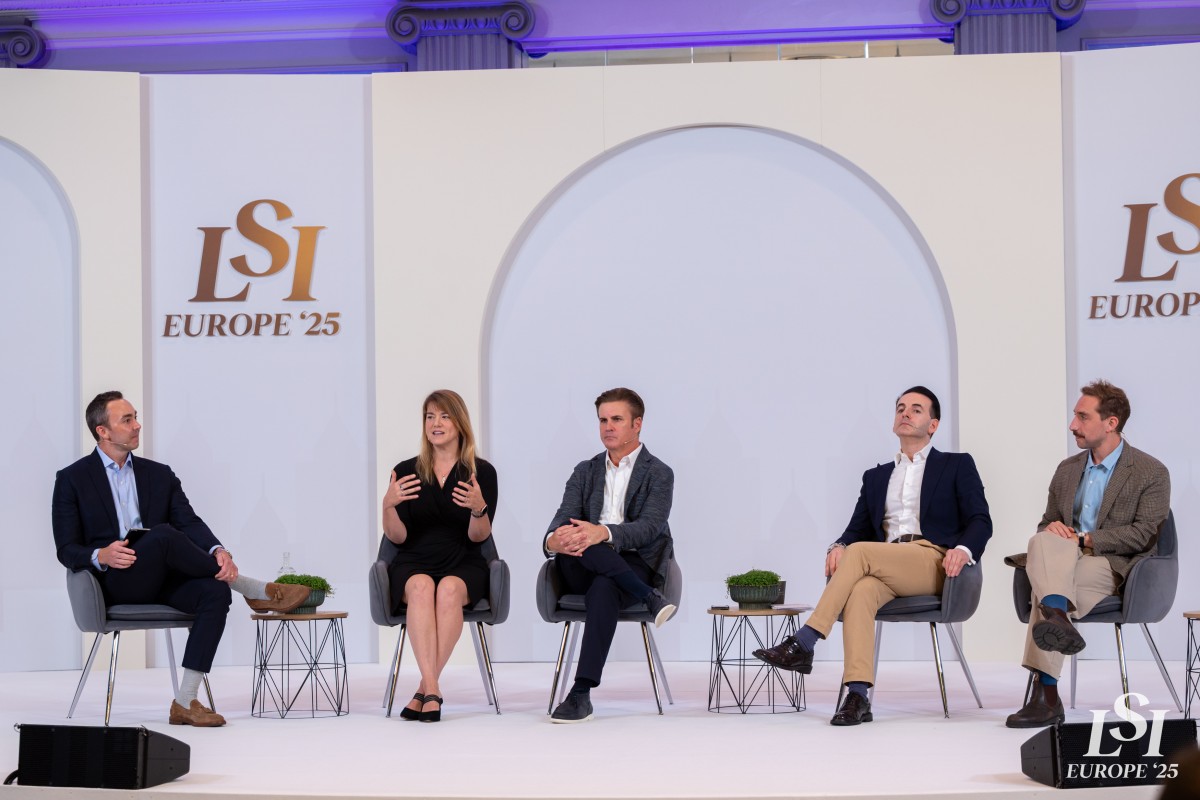
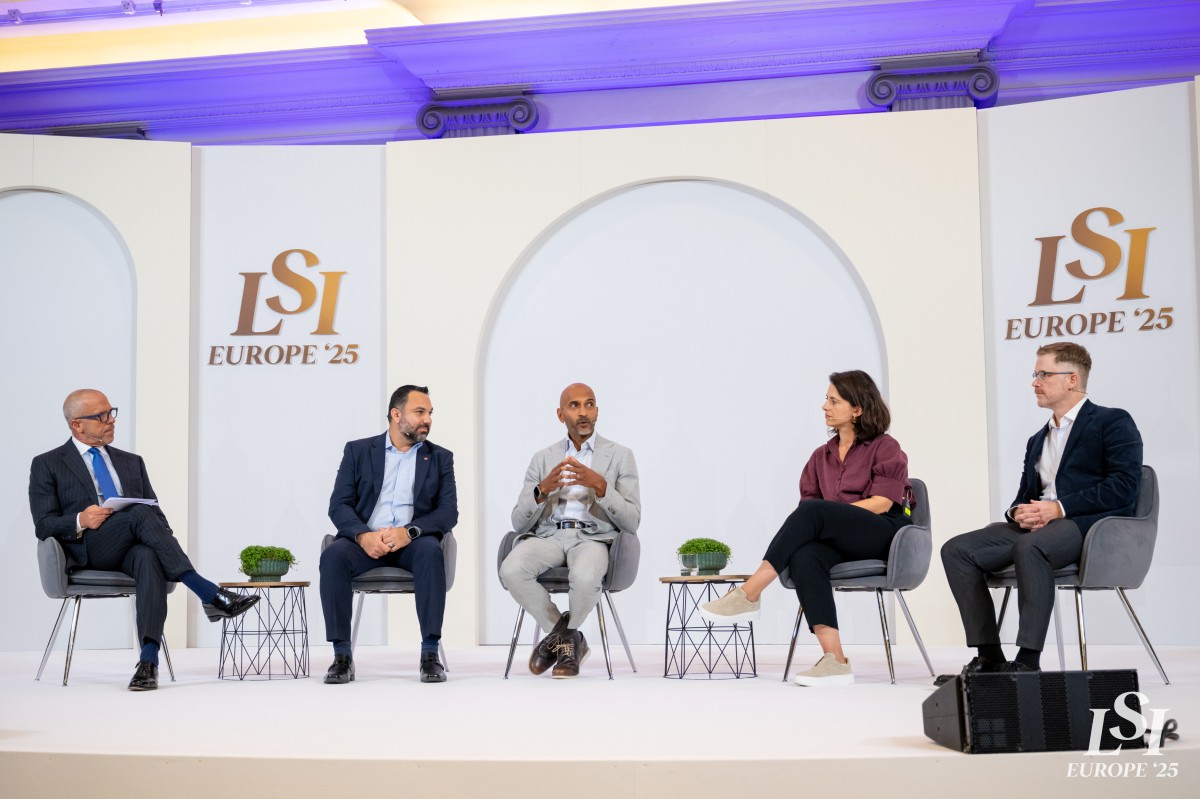
At LSI Europe ’25, the panel “Mind the Gap: Funding Emerging Neurotech” explored one of the most important questions facing the sector today: how can founders close the gap between ambitious neuroscience, investable companies, and scalable patient impact? As interest in neurotech funding grows, investors are looking beyond exciting science alone. They want focus, clinical relevance, strong teams, and a clear path through technical, regulatory, and commercial risk.
For John Propst, PhD, who moderated the discussion, the stakes are deeply human. “I think we all know someone who’s been affected by Parkinson’s, Alzheimer’s, cognitive decline, the inability to speak, see, or move, and that really drives our work,” Propst said. He described neurotech as “the moon shot of our generation,” while acknowledging that founders face “a minefield of challenges across technical, clinical, and regulatory risk.”
The Barriers Holding Neurotech Companies Back
The panelists agreed that the issue is not a lack of ambition. The ideas are there. The challenge is translating those ideas into focused, fundable, and clinically meaningful companies.
Amy Kruse, PhD, pointed to the absence of major exits as one of the sector’s defining constraints. “We don’t have a ton of big exits in this space,” Kruse said. “Companies are always trying to come up with creative math to show how big opportunities are.”
William Marks, MD, emphasized focus. “I would say a lack of sufficient focus early on [is a barrier],” Marks said, noting that scientific ideas can remain “a little diffuse” before they are sharpened into efficient product development strategies.
Nicholas Ibery, MD, added that development cost, timelines, and regulatory complexity remain significant barriers. Jacques Carolan, PhD, speaking from the government funding perspective, urged founders to avoid building technology in search of a market. “Don’t be a tool looking for a solution,” Carolan said. “Really think about what that solution is. Work back from there, span the space of possible technologies.”
That distinction became a recurring theme: neurotech companies cannot rely on technical novelty alone. They need to show why their approach matters, who it helps, and why it can become a viable business.
What Makes a Neurotech Company Investable?
For Marks, the starting point is strong science, but the real test is translation. “How do you translate that science into something that is both useful and used?” he asked.
Useful means solving a large enough unmet need with an intervention that can produce a meaningful impact. Used means the solution can fit into clinical reality. “There are a lot of useful things, and people just don’t want to use them because it’s too challenging,” Marks said. “It doesn’t embed readily into a clinical workflow.”
Ibery framed the issue through the lens of time horizons and investment discipline. Neurotech fundamentals are moving in the right direction, he said, but many technologies take longer than traditional venture timelines comfortably allow. That creates tension between patient impact, returns, and the capital structures needed to support long development paths.
The team also matters. Kruse said she looks for founders who understand their own strengths and know what they need to add. “I’m definitely looking for a CEO or a founder that knows what their strengths are, knows what they need to add to the team, and doesn’t overhire,” she said. She also emphasized the importance of coachability and investor-founder partnership, especially in a field where the problems are complex and the path forward is rarely linear.
Marks added that visiting companies can reveal whether a team is truly operating well. “I think people don’t do enough of that to really see the teams in action, their working environment, their style,” he said.
Neurotech Funding Requires Focus Without Losing Platform Potential
One of the central tensions in the discussion was product versus platform. Neurotech often has platform potential, with technologies that could theoretically apply across multiple indications. But investors still want to see discipline.
Kruse acknowledged the appeal of platform technologies. “I have to admit, I’m a platform gal,” she said. “I think that’s one of the most exciting and beautiful things about neurotech, is that it has that potential.”
Still, she emphasized the importance of choosing the right first indication, working with clinicians and KOLs, and using non-dilutive capital strategically. “I do think non-dilutive funding is the R&D engine of startups,” Kruse said.
Marks agreed that platform potential matters, but warned against unfocused pitches. “It drives me a little crazy when I get the pitch deck where this is going to cure generalized anxiety, insomnia, Alzheimer’s disease, and so on,” he said. The stronger approach is to “pick something and go deep and do it well.”
Ibery made a similar distinction between true platform technologies and “spray and pray” strategies. As the market becomes more selective, he said, investors are applying more scrutiny, which may ultimately benefit both founders and the sector.
What Founders Need to Show Early
For founders preparing to raise capital, the panelists offered clear advice.
Kruse said founders must understand the competitive landscape. “Doing your homework, really understanding the landscape of what’s out there,” is essential, she said. If a founder presents a solution without acknowledging comparable technologies or emerging competitors, “that generally moves me back a step.”
Marks expanded that point, noting that the landscape includes more than other devices. Drugs, delivery systems, and alternative care pathways may all be relevant substitutes. What he wants is not a polished deck, but clarity. “I don’t actually want a snazzy presentation,” Marks said. “I want clarity in outlining what’s the solution? What’s the problem that we’re trying to solve?”
Ibery emphasized product-market fit, patient pathways, and actionable planning. “You need to really do your homework,” he said. “You need to understand that you thought about it, you’ve done your due diligence, and you can speak intelligently about it, and have an actionable plan.”
Carolan’s bar was different but equally direct. “I actually don’t need to see preliminary data,” he said. “Just give me a really strong, compelling argument why your technology is differentially able to solve this problem in a way that nothing else can.”
Where the Next Breakthroughs Could Come From
Looking ahead, the panelists saw major opportunities across access, circuit-based therapies, new modalities, and technologies that could compete with or complement drugs.
Carolan highlighted the access gap between patients who can currently receive state-of-the-art neurotechnologies and those who could potentially benefit. He pointed to noninvasive approaches, vascular routes, and cerebrospinal fluid pathways as areas of white space.
Marks said the field is moving from empirical approaches toward deeper mechanistic understanding. New tools for decoding brain circuits could enable more targeted interventions using ultrasound, photobiomodulation, electricity, and other modalities.
Kruse was particularly excited about neurotech’s ability to challenge existing therapeutic models. “What I love about neurotech is, I really think it’s going to give drugs a run for their money,” she said.
Ibery compared the state of neurotech today to cardiovascular innovation a decade or more ago. “I think neurotech is where cardiovascular was 10 years ago, or maybe 15 years ago,” he said. “It’s a really exciting time for us.”
Closing the Gap in Neurotech Funding
The discussion closed on a clear message: neurotech is not short on ambition, talent, or scientific possibility. What the field needs now is sharper focus, stronger translation, deeper collaboration, and capital models that can support the realities of building in the brain.
For founders, that means proving not only that the science works, but that the company can solve a meaningful problem, navigate the path to clinical adoption, and build a team capable of withstanding inevitable pressure. For investors, it means recognizing that the most meaningful opportunities in neurotech funding may require patience, partnership, and a willingness to bridge the gap between moonshot science and real-world impact.






Dates and location for LSI Europe ‘27 haven’t been announced yet. Fill out the form below and we’ll reach out as soon as they are, so you can reserve your room at our best rates.