
Precision Diagnostics and the Shift from Illness to Wellness


Key Takeaways
- Earlier detection can change the trajectory of disease, but speed, accuracy, and accessibility determine whether diagnostic innovation translates into better outcomes.
- AI is helping make complex diagnostic information faster and easier to obtain.
- Automation could expand diagnostic capacity by addressing workflow and labor constraints, while allowing healthcare professionals to spend more time with patients.
- Successful diagnostic innovation requires more than technical performance. Clinical evidence, reimbursement, customer access, partnerships, and usability can all determine adoption.
- The long-term opportunity for precision diagnostics is to move healthcare further upstream, from reacting to illness toward identifying risk and disease earlier.
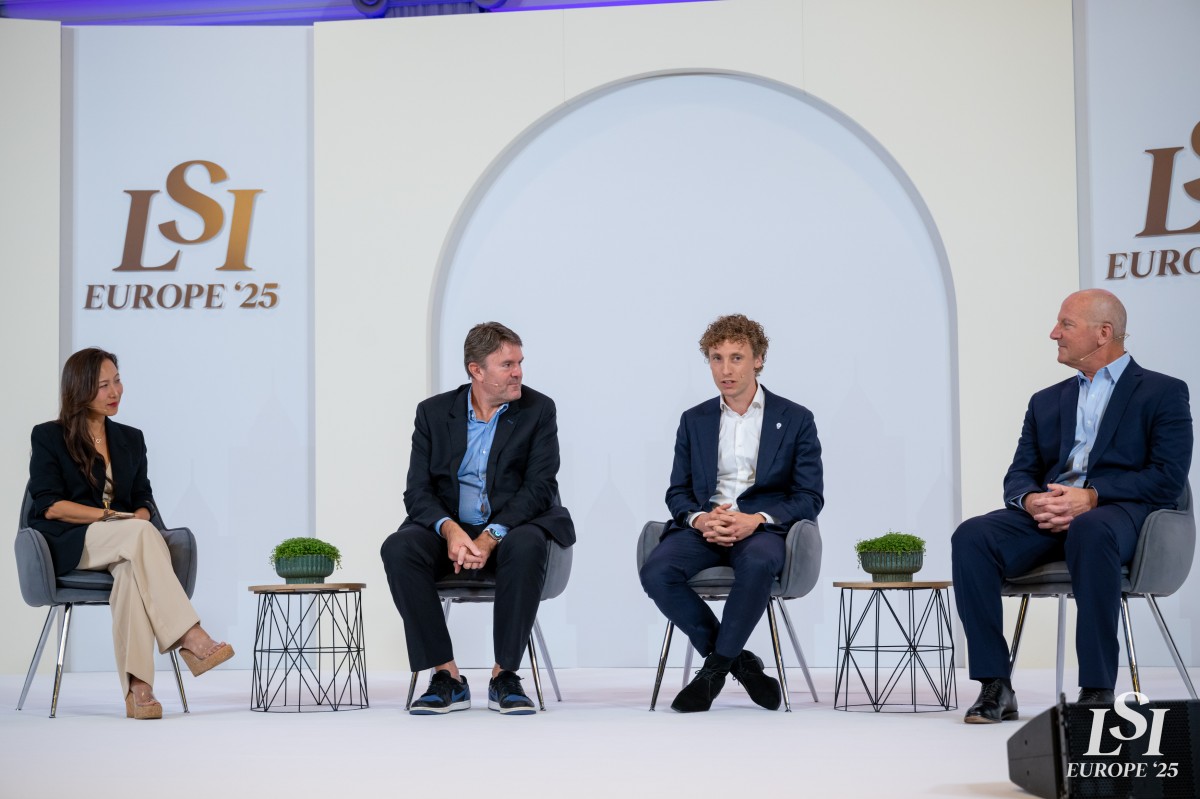
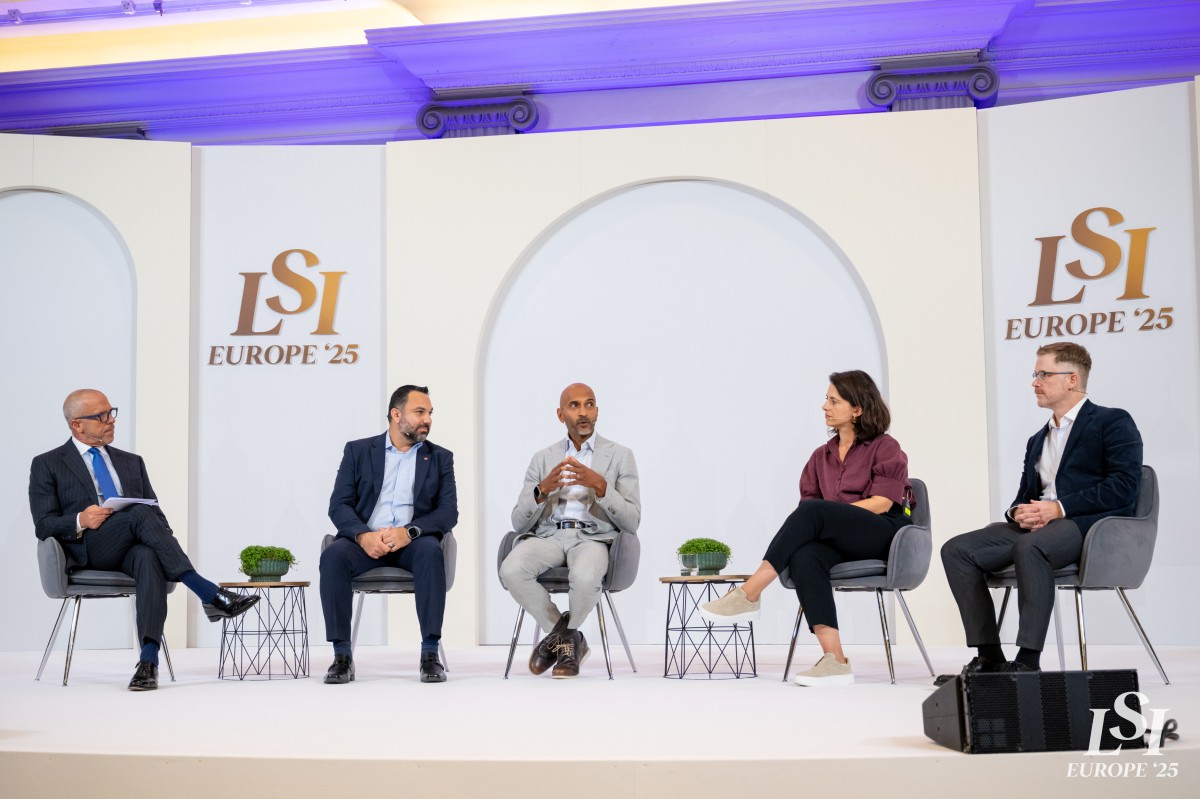
Healthcare has long been structured around treating disease after symptoms appear. But advances in artificial intelligence, automation, and diagnostic technology are creating opportunities to intervene earlier. During a panel at LSI Europe ’25, leaders from AngioInsight, Vitestro, and Vivid Dx explored what it will take for precision diagnostics to help shift healthcare from illness toward prevention and wellness.
Moderated by Soyoung Park, General Partner at 1004 Venture Partners, the panel brought together Scott Burger, CEO of AngioInsight; Toon Overbeeke, Co-Founder and CEO of Vitestro; and John Sperzel, former CEO of Vivid Dx.
Precision Diagnostics Start With Earlier Answers
For Burger, prevention and early detection are inseparable. AngioInsight is developing an investigational AI-powered platform designed to improve coronary physiologic assessment in the cath lab, including the evaluation of coronary microvascular disease.
“Prevention and early detection go together hand in hand,” Burger said. “We have to get to the heart of the problem, whatever it may be, earlier so that we can make sure that we improve the patient’s life and reduce the costs.”
AI could make diagnostic procedures that are currently difficult or underused considerably more practical. Burger pointed to coronary microvascular disease as an example, explaining that current diagnosis can take 15 to 20 minutes and is performed infrequently despite the scale of the problem.
“Our focus is really on ensuring that we’re using the right type of algorithms to drive speed, to drive reliability, and to drive ease of use,” Burger said. “You have to balance both of those things.”
Speed becomes even more consequential when diagnostic delays can threaten a patient’s life.
Sperzel described the urgency in sepsis, where identifying the causative pathogen and selecting an effective antimicrobial can take days with conventional blood culture workflows. Vivid Dx is developing a platform designed to identify sepsis-causing pathogens directly from blood in 30 minutes and deliver phenotypic antibiotic susceptibility testing results in three hours.
“In some cases, diagnostic delays are frustrating, like we’d like to have the answer sooner,” Sperzel said. “In other cases, diagnostic delays are life-threatening.”
The platform combines microfluidics, Raman spectroscopy, a pathogen database, and AI and machine learning. According to Sperzel, those computational capabilities are central to achieving both precision and speed.
“If you’re developing a diagnostic in 2025 and you’re not using AI and machine learning, you better figure out how to incorporate it into your platform, and you better start yesterday,” Sperzel said.
Automating the Infrastructure Behind Diagnosis
Earlier diagnosis also depends on something far more fundamental: collecting the samples needed to generate an answer.
Overbeeke noted that blood testing underpins much of medical decision-making, while blood draw volumes continue to increase amid healthcare labor shortages. Vitestro is addressing that bottleneck with Aletta, an autonomous robotic phlebotomy system designed to perform diagnostic blood collection autonomously.
Since the panel took place, Aletta has reached a significant regulatory milestone. In August 2026, the FDA granted De Novo authorization for the system, establishing a new device classification for autonomous robotic phlebotomy and marking the first U.S. regulatory clearance for a fully autonomous blood draw system. Aletta is also CE-marked and in clinical and pre-commercial use in Europe.
The company has focused heavily on making automation acceptable to patients, including through an open design and an emphasis on usability.
The goal is not simply to automate a manual task. Overbeeke sees the technology as a way to increase capacity while changing how phlebotomists spend their time.
“If we give them the opportunity to supervise several devices at the same time, their interaction with the patient becomes more and more,” Overbeeke said. “The time that they have to interact with the patient will even increase in a supervised setting compared to what it is today.”
Innovation Has to Reach the Patient
Technical performance alone does not guarantee adoption. The panelists repeatedly returned to the practical barriers between an innovative technology and routine clinical use.
Burger emphasized reimbursement and the need to build evidence while making new technologies economically viable for healthcare facilities. Sperzel pointed to clinical data, key opinion leaders, reference accounts, customer access, and partnerships as critical components of commercialization. Overbeeke highlighted the value of developing hospital relationships before market entry so the infrastructure for adoption is already taking shape.
Accessibility may ultimately be just as important as accuracy.
Burger recalled speaking with physicians from around the world who told him that advanced AI technologies often fail to reach their communities because they require highly skilled users.
“As AI is moving towards prevention and early diagnosis, I think it’s really critical that we take into account that these technologies need to be able to be used by not only the largest institutions, but the smallest institutions,” Burger said.
That may be one of the defining tests for the shift from illness to wellness. Detecting disease sooner is valuable, but its impact depends on whether the technology can reach patients when and where it is needed.
Sperzel, a heart transplant recipient himself, closed with a perspective shaped by personal experience.
“I know how important diagnostics are,” Sperzel said. “Precision diagnostics are the future.”
If healthcare is to move meaningfully upstream from treating illness toward preserving wellness, precision diagnostics will need to deliver on that promise: earlier answers, greater accuracy, simpler workflows, and broader access to the information that can change what happens next.






Dates and location for LSI Europe ‘27 haven’t been announced yet. Fill out the form below and we’ll reach out as soon as they are, so you can reserve your room at our best rates.