
Inside the $1.5B OrganOx Acquisition: Building a Medtech Success Story


When Terumo agreed to acquire OrganOx for $1.5 billion, the transaction became one of medtech’s standout exits of 2025. But the story behind the OrganOx acquisition is about far more than the final price tag.
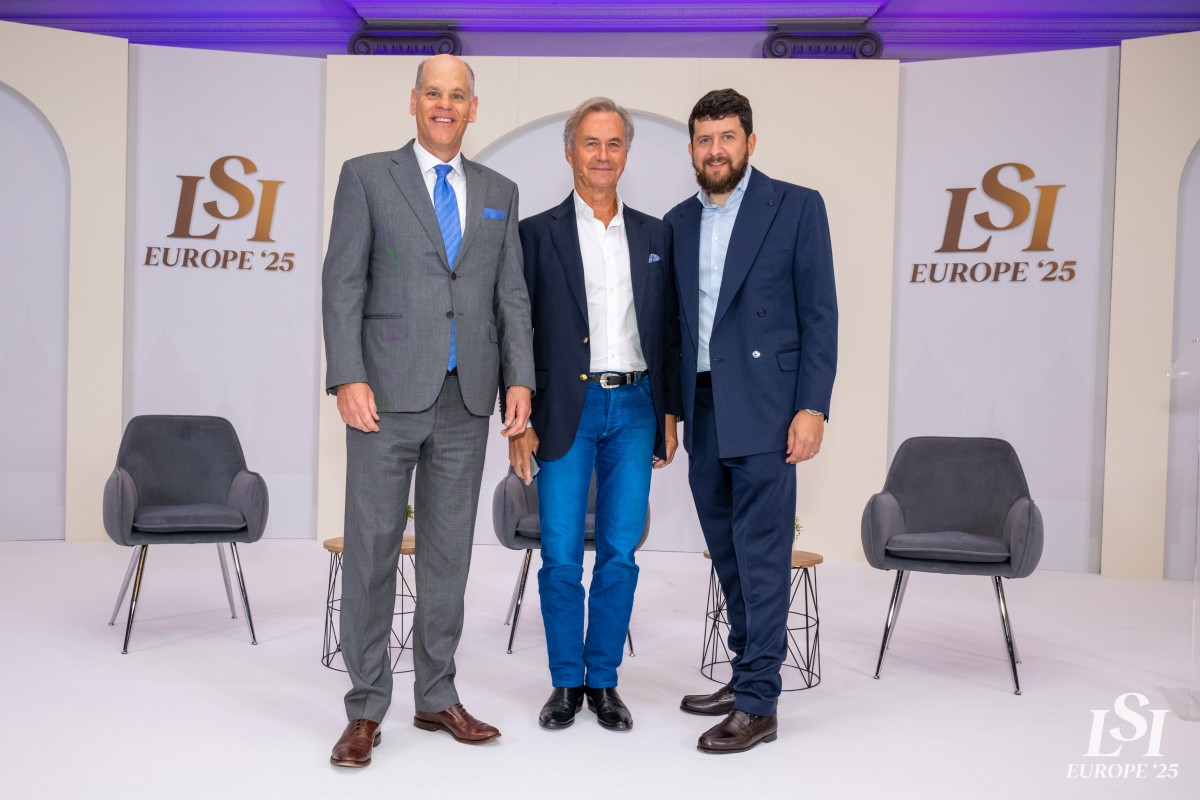
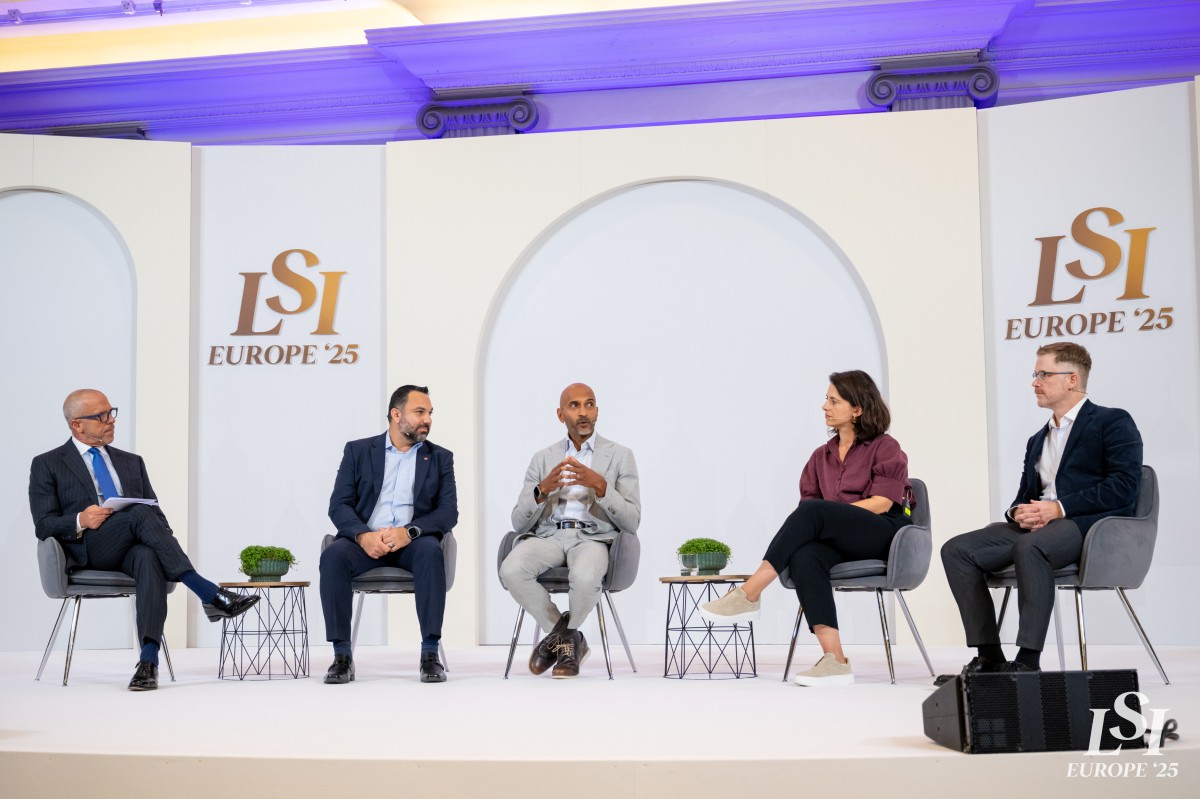
At LSI Europe ’25, Roger Brooks, Founder of RBrooks Group, sat down with Oern Stuge, MD, former Executive Chairman of OrganOx, and Samuel Levy, MD, Founding Partner of Lauxera Capital Partners, for a Signature Series covering the OrganOx Story. Together, they unpacked how OrganOx evolved from an Oxford-based company with promising technology and significant challenges into a rapidly growing, profitable business positioned for either an IPO or strategic acquisition.
The discussion offered a rare look inside the decisions that helped create that trajectory, from regulatory and pricing strategy to executive recruitment, investor selection, cap table restructuring, and ultimately, the relationship with Terumo.
Turning Clinical Innovation Into a Scalable Business
OrganOx was founded around a compelling idea: preserve donor organs under near-physiological conditions outside the body rather than relying solely on traditional cold storage. Its automated normothermic machine perfusion technology allows clinicians to maintain and assess donor livers before transplantation while creating greater flexibility around when procedures take place.
“I like to start with giving credit to the founders that had the vision to develop an automatic machine perfusion device, which could replicate near physiological conditions for a donor organ outside the human body,” Stuge said.
By the time Stuge became independent chairman in November 2020, however, OrganOx faced a very different business reality. After roughly 12 years, the company was generating approximately $2.4 million in revenue, had a 27% gross margin, was losing approximately $7 million, and had missed the primary endpoint of its pivotal U.S. trial.
Over the following five years, Stuge said revenue multiplied approximately 45 times, gross margin increased from 27% to 83%, and the company reached an approximately 20% EBITDA margin.
Getting there required addressing several fundamental pieces of the business.
First came regulatory strategy. Although OrganOx had missed a superiority endpoint, its trial had demonstrated non-inferiority. The company brought in an experienced regulatory consultant and successfully made the case for approval based on that result.
Next came pricing.
“It is crucially important that the innovative companies in medtech, and everywhere, deserve a fair share of the added value that we deliver,” Stuge said. “If you price it too low, we don’t take that. It’s hurting everybody.”
For OrganOx, the value proposition extended beyond clinical benefits. According to Stuge, the technology reduced complications while saving approximately $10,000 to $20,000 per operation.
Building for Commercial Scale
With the regulatory pathway and pricing strategy addressed, OrganOx needed a team capable of scaling the U.S. business.
Brooks emphasized that this stage often requires leaders with a different skill set than those who build an early-stage company. Stuge described his approach simply: “I always like to over-hire for positions. So we hire for the future, not for the present.”
That philosophy helped OrganOx recruit experienced executives, including Rupa Basu to lead the U.S. business and later a public-company CFO who could support an eventual IPO.
For Levy, the strength of the commercial model became apparent during Lauxera Capital Partners’ diligence. After initially having an offer rejected, Levy returned with an improved price and negotiated a longer exclusivity period, giving his team time to travel across the U.S. and speak directly with OrganOx customers.
What they found gave them confidence to invest despite what Levy described as an uncomfortable entry price.
“We saw outstanding same-store sales growth with no churn across basically the entire installed base,” Levy said.
Equally important was the business model. Rather than depending primarily on capital equipment sales, approximately 99% of OrganOx revenue came from consumables, according to Levy. Hospitals received the capital equipment alongside commitments to purchase ~$1 million in consumables, creating recurring revenue with strong margins.
The customer concentration of the U.S. liver transplant market also supported an efficient commercial model. Levy noted that roughly 75% of U.S. liver transplants were performed at approximately 60 hospitals.
How the OrganOx Acquisition Took Shape
As OrganOx accelerated, its investors began thinking not simply about an exit, but about how to preserve the company’s ability to pursue its full potential.
In early 2025, the company completed a $160 million financing consisting of $25 million in primary and $135 million in secondary. The deal provided liquidity for longstanding shareholders while simplifying the cap table and restructuring governance around a future exit.
“The goal [was] to make the cap table very simple,” Levy said.
The financing also brought strategic investors Intuitive and Terumo into the company. Critically, Levy and Stuge structured the transaction so that a future acquisition would require a significant step up from the financing valuation.
That strengthened OrganOx’s negotiating position while maintaining a credible alternative: going public.
“When they saw the revenue trajectory of the business and realized that the public markets were truly a credible threat, they had to make the decision whether to act now and just swallow the price, or wait and maybe miss the opportunity,” Levy said.
Terumo was not a stranger to OrganOx. The company was already a critical supplier and had known the business for years. As OrganOx’s commercial performance accelerated, that existing relationship took on greater strategic significance.
Stuge also invested directly in building trust with Terumo leadership, including meeting with its CEO. The relationship went beyond negotiating transaction terms.
“It was a long discussion about getting to know me,” Stuge recalled. “We ended up with a very good fit, [and] built a trust base. It was absolutely super important.”
More Than an Exit
The OrganOx story ultimately comes back to the clinical problem the company set out to solve.
Stuge described how machine perfusion has helped shift transplantation toward daytime procedures, potentially improving working conditions for transplant teams. He also cited a roughly 50% reduction in complications observed with the technology.
For patients, Levy put the impact in even more direct terms.
“It’s truly the gift of life,” he said. “You’re taking people from death’s doorstep to a pretty good quality of life, for most people, for decades.”
The OrganOx acquisition may be remembered for its $1.5 billion valuation, but the panel made clear that the outcome was not the product of a single breakthrough or transaction. It was built through a series of deliberate decisions: solving the regulatory challenge, pricing for value, recruiting ahead of growth, choosing investors strategically, creating liquidity without forcing an early exit, maintaining a credible IPO path, and developing trust with the eventual acquirer.
For medtech leaders building toward scale, OrganOx offers something more useful than an exceptional exit story. It offers a case study in how clinical value, commercial discipline, experienced leadership, and thoughtful capital strategy can come together to create an exceptional company.





Dates and location for LSI Europe ‘27 haven’t been announced yet. Fill out the form below and we’ll reach out as soon as they are, so you can reserve your room at our best rates.