
The Debate Shaping Medtech Venture Capital at LSI Europe ’25


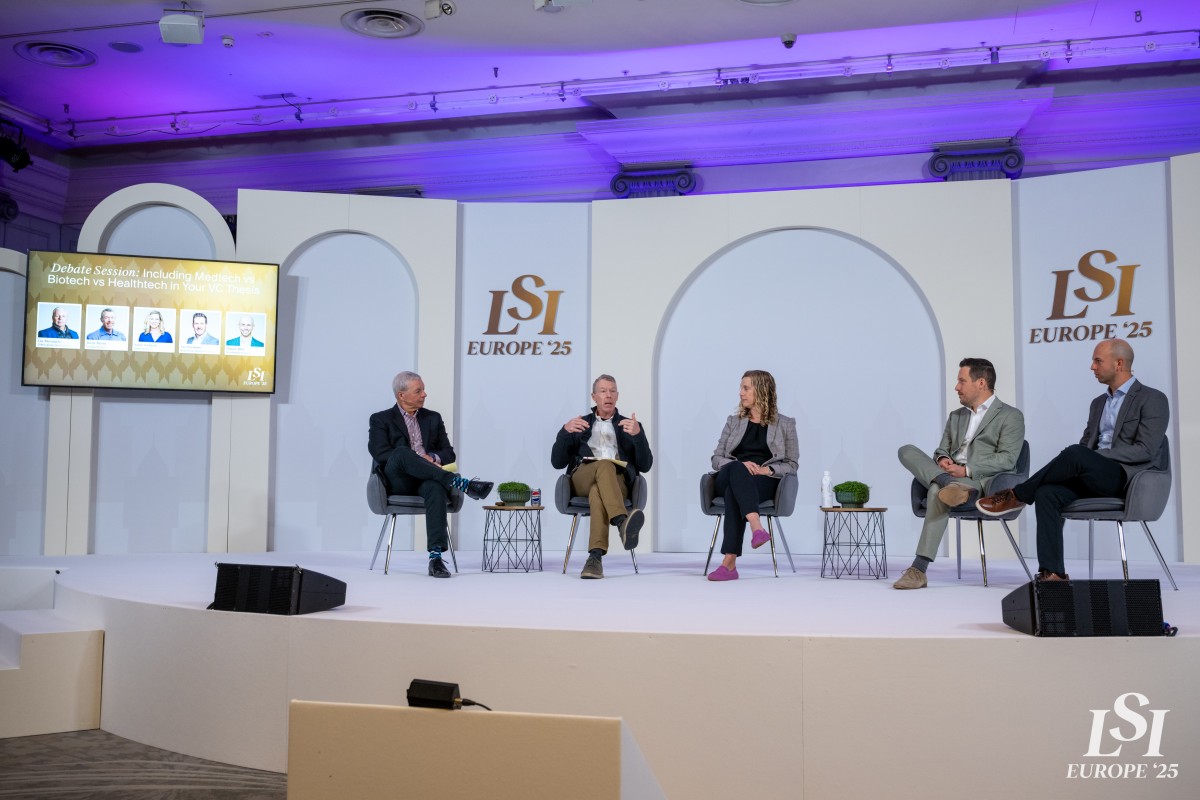
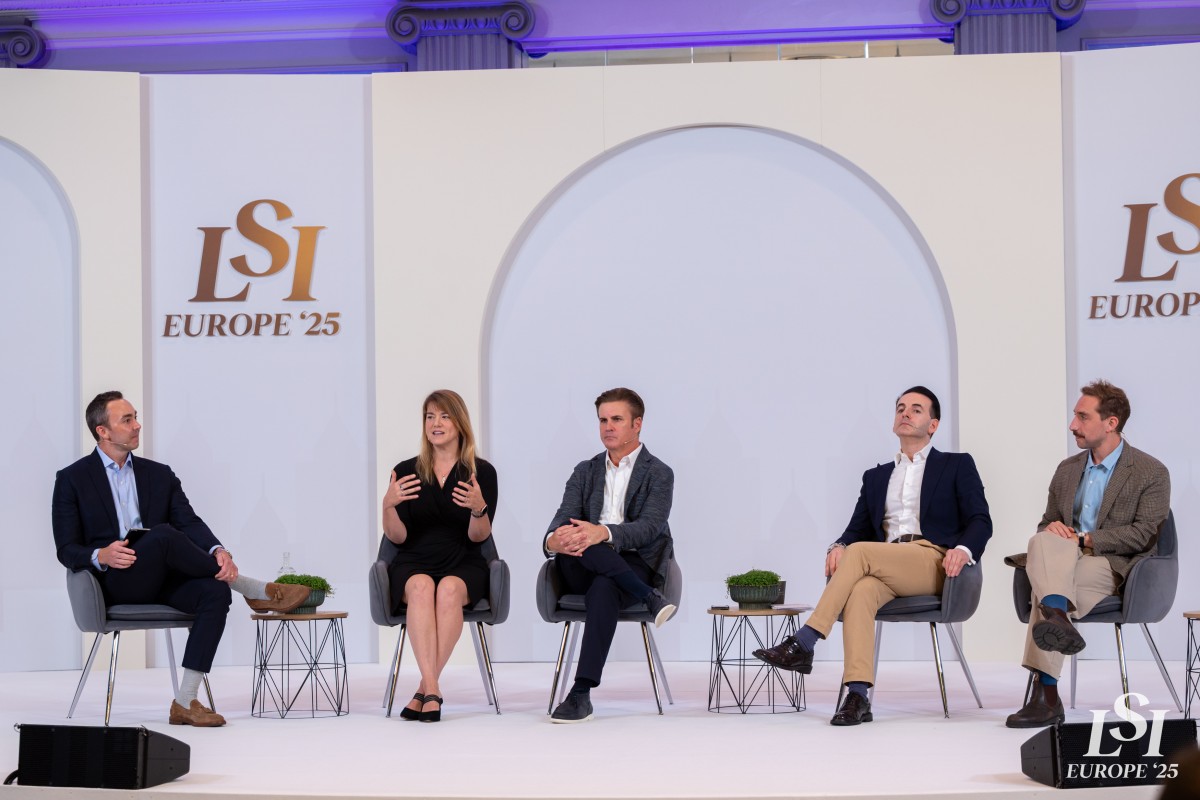
At LSI Europe ’25, one of the more revealing conversations was not about a single therapeutic area, product category, or financing milestone. It was about portfolio construction itself. In a debate session titled “Including Medtech, Biotech, or Healthtech in Your VC Thesis,” investors from TVM Capital Life Science, Canaan Partners, Santé Ventures, Brightlands Venture Partners, and Unorthodox Ventures offered a candid look at how they think about risk, timing, capital efficiency, and long-term returns across healthcare. For founders trying to understand what different investors actually want, the discussion provided a sharp window into how medtech venture capital firms are making decisions in a more disciplined market.
Moderated by Luc Marengere of TVM Capital Life Science, the panel made one thing clear early: there is no single right way to build a healthcare investment strategy. Some firms continue to back medtech as a core pillar. Others have stepped away from it at the earliest stages. Some want commercial traction before they invest. Others want to get in before a company has done much more than define the problem and assemble the right team.
That divergence was exactly what made the conversation useful.
Why Some Investors Still Believe In Medtech Venture Capital
Ashley Seehusen of Santé Ventures made a strong case for keeping medtech in the mix, especially within a diversified healthcare strategy. Santé invests across biotech, healthtech, and medtech, with what she described as “about a third, a third, a third of each fund.” For her team, medtech remains an important source of consistency in an otherwise volatile market.
“We always think of that as sort of the steady Eddie of the three,” Seehusen said, describing biotech and healthtech as “a lot more volatile with valuations.”
That does not mean Santé approaches medtech casually. Quite the opposite. Seehusen emphasized that the firm’s strategy is tightly defined. Santé likes to invest early, build meaningful ownership, and exit before commercialization becomes necessary. As she put it, “We like to say we sell on hopes and dreams.”
That line was memorable, but the underlying point was serious. The firm is not looking for companies that need years of commercial buildout before becoming attractive acquisition targets. Instead, it wants companies that can create enough strategic value before that stage. The model is shaped by fund size, return math, and discipline around what fits the thesis.
“Every deal we invest in has to be a good deal, but we can’t invest in every good deal,” Seehusen said.
That framing captured one of the panel’s central themes. A good company is not always the same thing as a good fit for a given fund.
Brent Ahrens of Canaan Partners offered the clearest counterpoint. Canaan once invested in medtech, but no longer does so on the life sciences side, which is now focused exclusively on biotech. His explanation was blunt and grounded in return data. Comparing stage-matched medtech and biotech investments, he said, “the biotech companies exit in half the time, compared with medtech, and for twice as much.”
That combination creates pressure on both cash-on-cash returns and IRR. “Why would you do it?” Ahrens asked, summarizing the logic that led Canaan to wind down its medtech practice.
Still, his remarks did not read as a rejection of medtech’s value. They read as a recognition that traditional venture economics do not always line up neatly with the category’s timelines. Ahrens pointed to one company that delivered a strong outcome but took 17 years from initial investment to exit. In medtech, that kind of duration can be punishing for early investors, even when the company succeeds.
Today, Ahrens noted, Canaan is revisiting medtech through a different lens, focusing on commercialization models that sit alongside companies rather than requiring them to fully build out costly sales infrastructure early.
Different Fund Models Create Different Investment Behavior
The panel repeatedly returned to the idea that strategy cannot be separated from structure.
Luc Starmans of Brightlands Venture Partners described what that looks like for a smaller early-stage European fund. Brightlands invests across medtech and healthtech, with a strong emphasis on capital efficiency. “We try to invest in companies needing low double-digit amounts to exit,” he said, later clarifying that the sweet spot is roughly “10, 20, 30 million to exit.”
That requirement changes the kind of deals a fund can pursue. It also explains why some areas of biotech have become harder for smaller firms to underwrite. “Biotech is increasingly becoming difficult,” Starmans said. “We are basically not playing anymore today in biotech.”
Daniel Allen of Unorthodox Ventures described a different kind of flexibility. Backed by a single LP family office, the firm is not constrained by the same fund structure as a traditional venture platform. That gives it room to look across medtech, healthtech, and biotech opportunistically, though Allen said the team has found its “comfort zone in medtech.”
He also offered one of the strongest descriptions of what matters most at the earliest stages. On seed and pre-seed opportunities, the starting point is “an actual need with a market,” not “a solution looking for a problem.” From there, team quality becomes critical, especially when capital is limited and every milestone matters.
“When we see an entrepreneur that can really, on the engineering end, make whatever that idea is work, but also on the financial end, kind of be savvy enough to stretch that, [it] makes the opportunity at the end of the day much more interesting,” Allen said.
That point connected with Starmans’ view that early-stage investors inevitably “over index on team quality.” You can diligence technology, reimbursement, and regulatory pathways, but over a five- to ten-year journey, surprises are unavoidable. The best teams are the ones that adapt without losing the plot.
For founders in the room, the message was practical. Know your customer early. Know what you are good at and what you are not. Be honest about what kind of CEO the company needs now and later. As Seehusen put it, one green flag is understanding “how long you’re going to be the CEO, and who you would bring in next.”
By the end of the session, the panel had done more than debate categories. It clarified the logic behind them. Some firms need faster exits. Some can tolerate a longer duration. Some want early technical risk but not commercial risk. Others prefer to invest only once the market has already started to validate demand. For founders, that distinction matters. The best fundraising conversations happen when both sides already understand the rules of the game. In today’s market, that may be one of the most important lessons in medtech venture capital.






Dates and location for LSI Europe ‘27 haven’t been announced yet. Fill out the form below and we’ll reach out as soon as they are, so you can reserve your room at our best rates.